Cloudification without surprises: what to consider before migration


Digitalization, increasing security requirements, and the rapid advancement of artificial intelligence are forcing companies and organizations to rethink the way they operate their IT environments. As a result, they are increasingly faced with the decision of whether to move their data and applications to the cloud or continue running them on their own servers. The trend toward cloud migration continues to gain momentum. According to Eurostat data, 52.7% of businesses in the European Union were already using cloud services in 2025, and this share continues to grow.
What is cloudification?
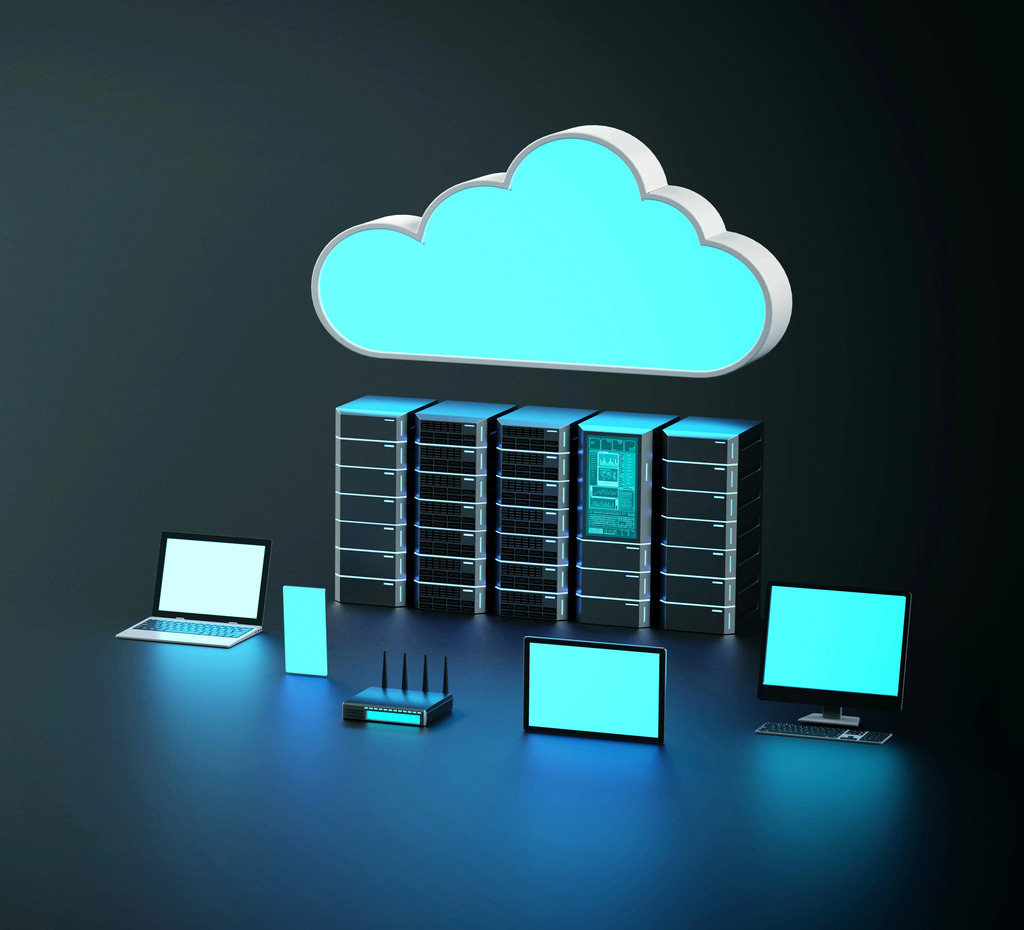
Cloudification is a comprehensive process of IT transformation in which an organization moves applications, data, or systems from its own infrastructure to a cloud environment. The goal is to leverage computing resources, storage, and software services delivered on an as-a-service basis through cloud platforms. In practice, cloudification often includes the migration of email solutions, business applications, data storage systems, and server infrastructure to the cloud. This enables organizations to take advantage of modern technologies and IT capabilities without the need to build, maintain, and regularly upgrade their own infrastructure.
What should you consider before migration?
Many organizations begin by asking, “When can we migrate?” when the first question should be, “What exactly do we want to migrate, and why?” Not all applications, systems, and data sources are suitable for an immediate move to the cloud. Some may be technically outdated, while others may be subject to specific regulatory requirements. Not all systems are suitable for migration to the same extent. Therefore, it is essential to first assess the existing IT environment and establish clear priorities for cloud transformation.
Data is one of an organization’s most valuable assets. It is therefore crucial to understand what data is being stored, where it resides, and which requirements apply to it. Particular attention should be paid to personal data, sensitive business information, and data subject to regulatory compliance requirements. Proper data classification helps determine the most appropriate cloud solution.
The belief that a cloud provider will take care of all security responsibilities after migration is a common misconception. While providers are responsible for securing the underlying infrastructure, the organization remains responsible for user account management, access controls, and data protection. A security strategy must be an integral part of the project from the very beginning, not something addressed only in its final stages.
Successful cloudification is not just about technology. It directly affects employees, changing work processes, application access methods, and the way corporate data is handled. That is why communication, training, and user readiness are critical elements of a successful transition. Organizations must also take regulatory requirements into account, including GDPR, NIS2, DORA, and internal security policies. Before selecting a cloud solution, it is essential to verify that it meets all requirements related to data protection, processing, and storage.
Equally important are service availability, the geographic location of data centers, backup capabilities, the quality of technical support, and security-related certifications.
It’s not a one-time project, entrust it to experienced professionals
The work does not end once migration is complete. A cloud environment requires ongoing management, cost optimization, security monitoring, and regular service evaluations. Cloudification is a long-term journey, not a one-time project. The cloud offers greater flexibility, improved service availability, advanced security tools, and easier scalability of IT resources. However, to fully realize these benefits, organizations must invest time and effort into careful preparation. The better an organization analyzes its needs, data, and security requirements before migration, the smoother and more successful its transition to the cloud will be.
We can help guide you through the entire process, from initial assessment and solution design to migration and ongoing environment management. Drawing on the expertise of our specialists, we will design a solution that meets both your business and security requirements while ensuring a seamless transition to the cloud without disruptions or complications. If you are considering cloudification or are unsure which cloud model is best suited to your organization, contact us. We will be happy to help you find a solution that supports the future growth and success of your business.

 EN
EN  SK
SK  CS
CS